Why Team Collaboration Might be Blocked
Credit: Collaboration by Yesh
Introduction
These past few months I have read and heard many times, in podcasts, articles, meet ups and conferences that in the age of rapid progression with AI, we need to be more focused than ever before on human collaboration as a driver for success.
As a team coach, lack of collaboration comes up time and again as one of the main reasons I have been called in to help out, and I'd like to share with you some of the reasons why collaboration might be blocked in your teams today, with or without AI getting into the mix.
Over the years that I have been coaching teams I have so many different reasons for why a team isn't collaborating that it's pretty hard to pinpoint collaboration issues down to one thing where the fix can be replicated again and again at scale.
Sometimes the intervention might be what I call a “standard” team coaching fix but not always, and for the number of teams and the humans that make them, we can safely assume there will be that many reasons for the lack of collaboration.
In all teams there are some standard practices that need to be in place for that team's success, such as purpose, structure, role definitions etc. and most of the time having these in place will lay the foundations for the team to move forward. But these things form what I might call an outer layer of the team onion. Something that is easy to grasp, to see, to record.
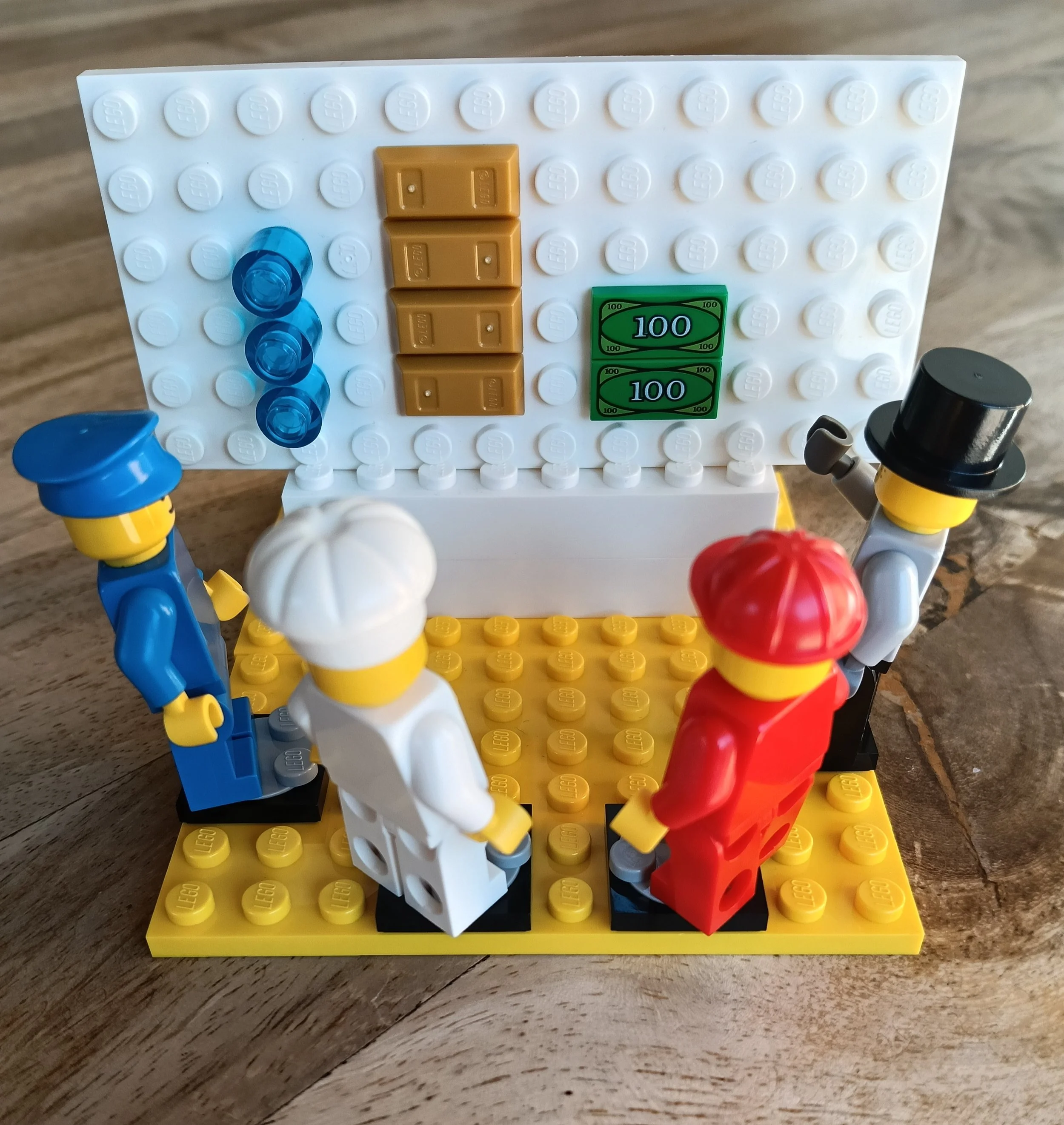
A shared goal
Credit: Shared Goal by Yesh
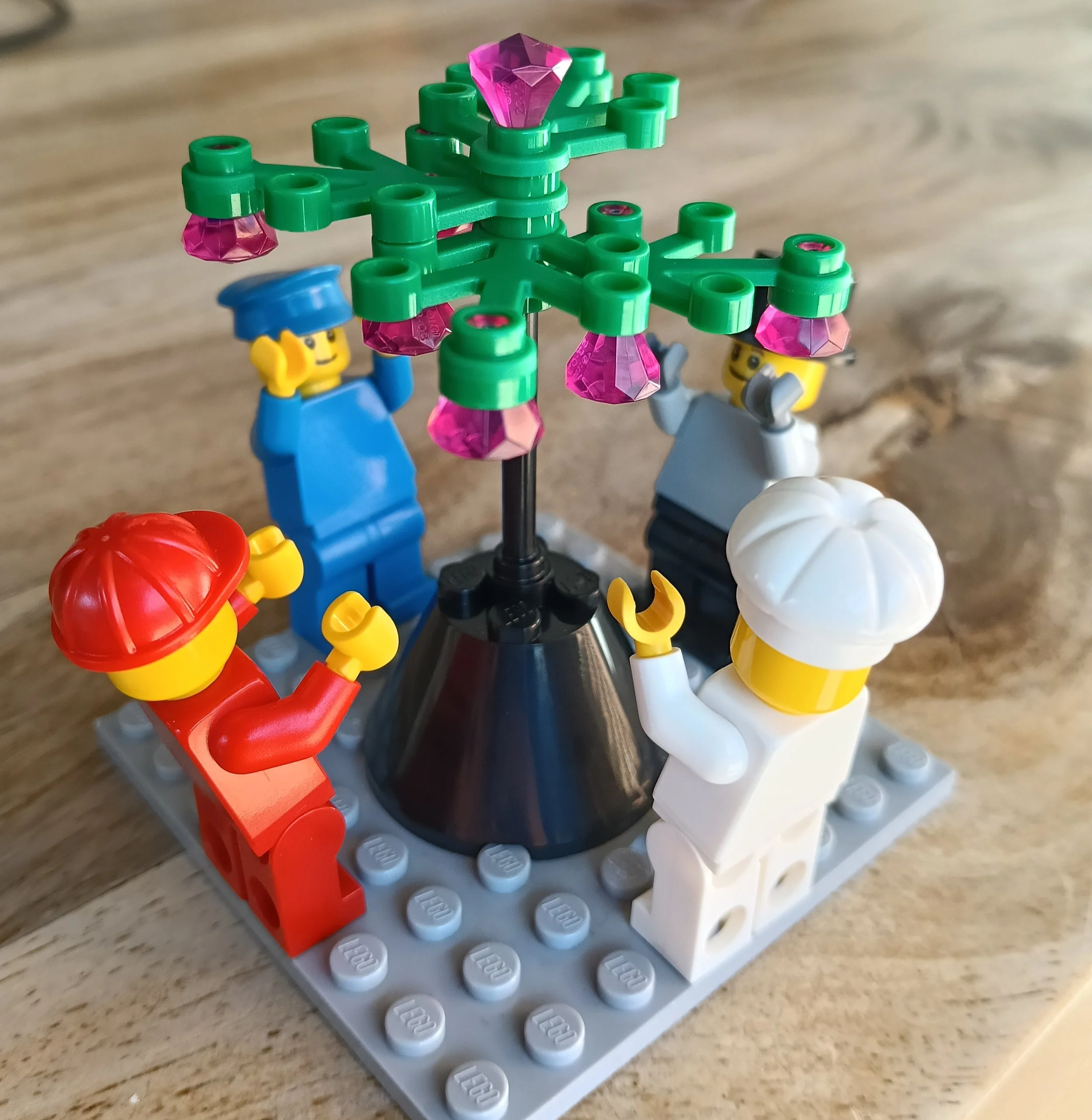
If a team is not clear on their purpose and the impact of their output, then how are they collaborating to achieve it?
Conversations, decisions and prioritising what to work on can easily go awry and I have seen this happen many times. In all honesty, it happened to me when I was a team member, and still happens to me now while I am running my own business!
Constantly re-visiting a team's purpose , checking that everyone is clear about it, and making sure it's still relevant (particularly in a fast changing environment) is very important for effective collaboration.
Additionally, if we zoom out and compare two or more different teams in one organization. Do they all share the same overall purpose that connects their two teams? If not then cross team collaboration may be blocked with competing priorities.
Structure
Credit: Safety Net by Yesh
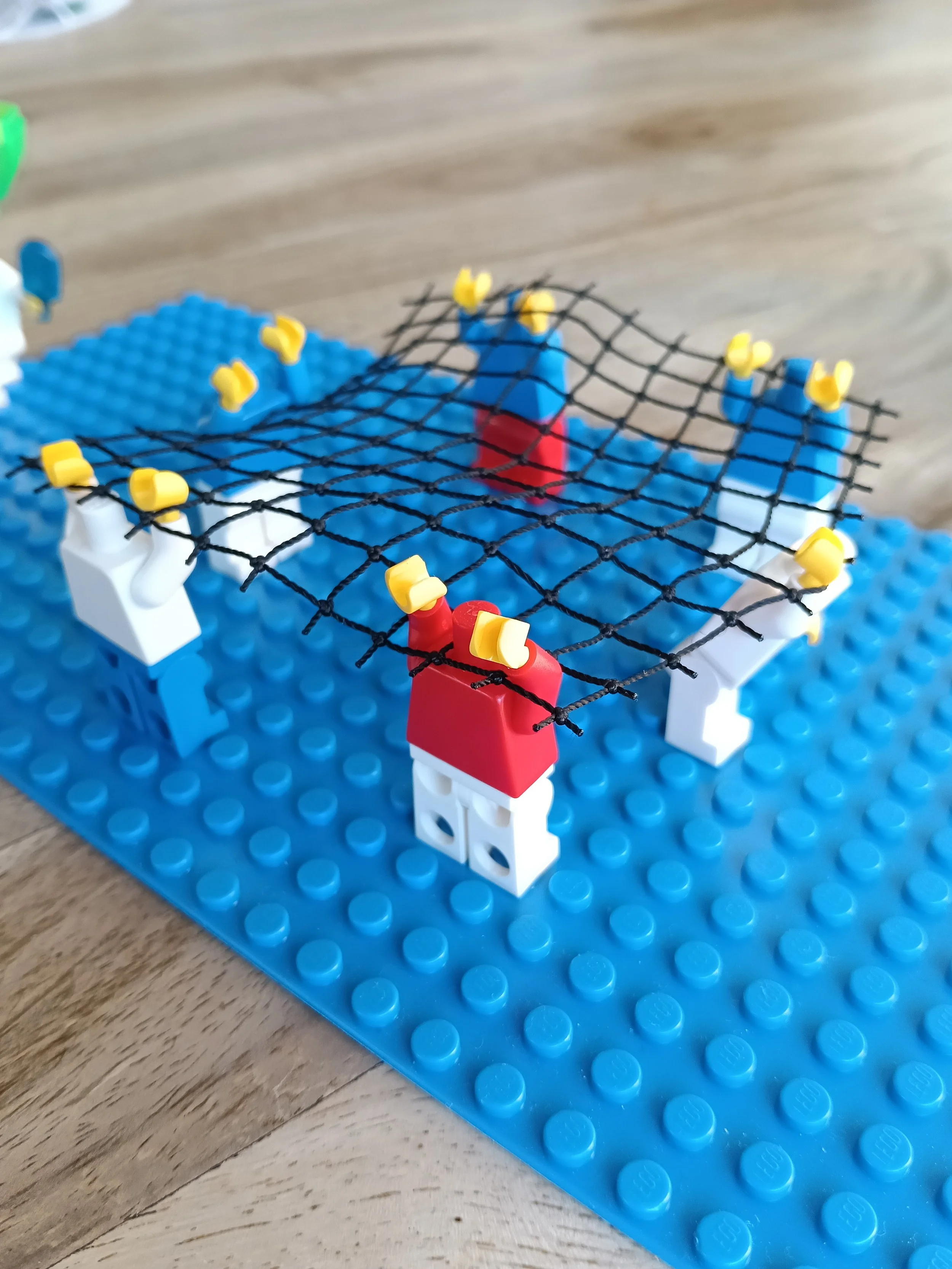
The team's working structure is another one that needs to be in place for great collaboration to be available to everyone.
What is the team heartbeat - meaning how often do they meet and what do they discuss? How are roles defined? How do decisions get made? Are clear delegation rules in place? What is the teams workflow and where is this getting blocked?
And remember to always zoom out and check these aspects with cross team collaboration efforts across the company. Mis-aligned workflows and decision making can cost time and cause projects to stall.
And since I come from an agile coaching background, then a personal favourite:
Is there ample opportunity to discuss these working ways and self correct them when they are no longer serving the teams? If these structures are not in place with a built in system to improve and adapt them as the team evolves, then frustration, ambiguity and conflict will stall collaboration.
Culture
Credit: Negative Dynamics by Yesh
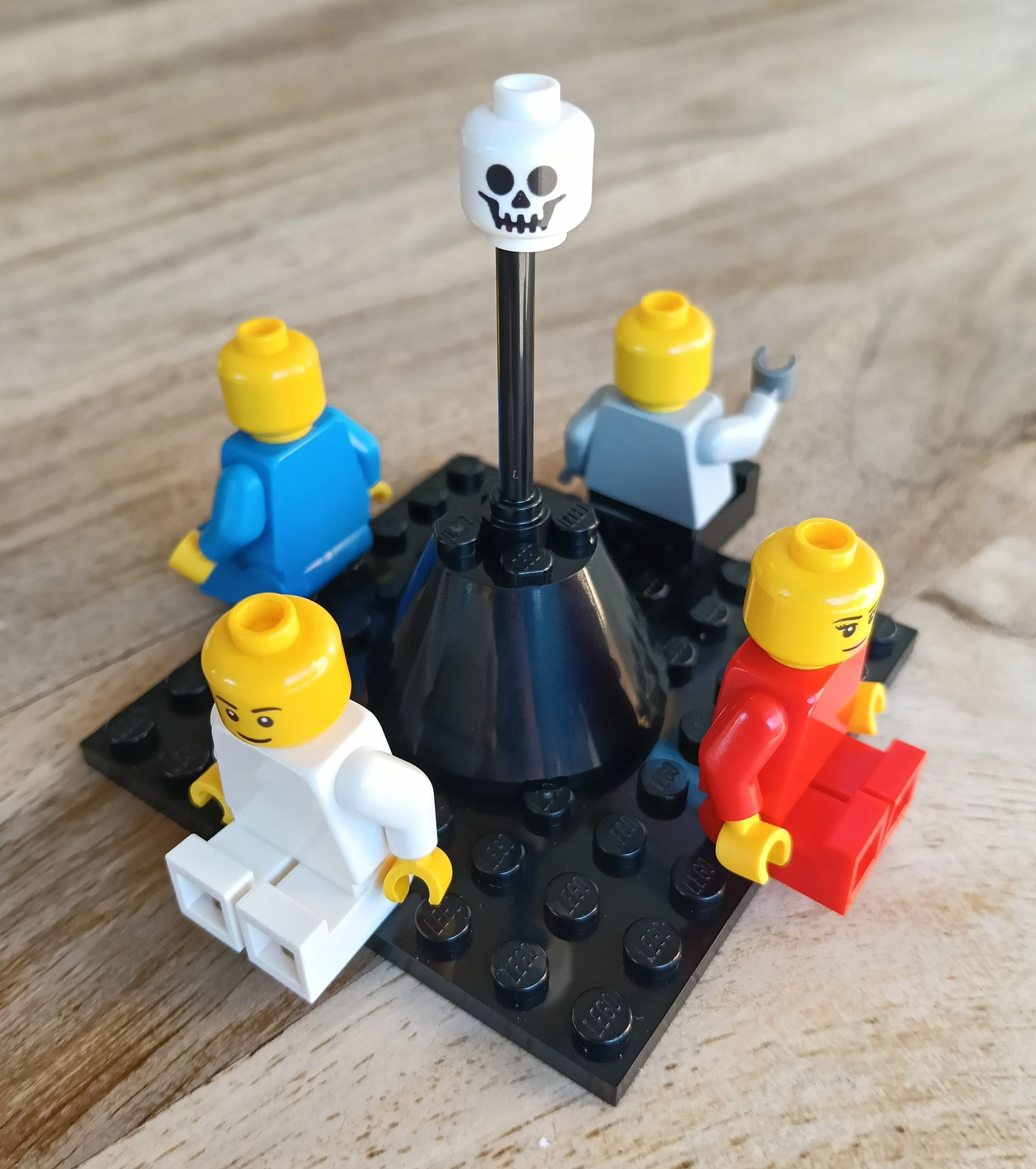
Culture is a tough one.
How does the team handle conflict for example? Is this a theme that has ever been discussed and agreed upon? If not, then why not?
Healthy conflict is an integral part of how a team evolves towards high performance. The ability to give each other feedback, disagree with ideas, reflect on mistakes and take learnings are all part of ensuring that collaboration can flow.
Unfortunately not all of these themes are easy to solve and since we are all human, and since collaboration is a distinctly human behaviour, there are often much deeper layers of the team onion that might stall it.
I once worked with a team that was struggling with collaboration because half of the team was stuck in the past, wounded by the constant changes and mass lay-offs. They resisted more change, while the other half of the team (who were newer to the company) had new ideas, fresh perspectives and motivations to try things out.
Yet another team suffered due to a personal conflict between two of their members. The conflict was so prevalent in the day to day conversations and in all meetings, discussions and agreements that the rest of the team slowly withdrew and shut down.
Yet another team was blocked as they had an unproductive relationship with their leader which led to most of the team simply shutting down.
If we imagine that every individual in a team is a system in their own right (their own personality, preferences, history, collaboration style, cultural background to name a few) then a team is basically a multiverse of different things going on. Hence why both the reasons why collaboration is blocked - and the interventions to help restore it - can quite literally be endless.
Summary
In all teams, adding structure, defining purpose and agreeing on a team culture is a great first step to helping collaboration flow.
And if I can offer you just one piece of advice for the one thing that you mustn't overlook - it's adding a team ritual that allows everyone to “inspect and adapt” the team set up.
That is to say: giving the entire team a chance - on a regular basis - to share what's working and what isn't, and agreeing on new things to try, will ensure you keep things dynamic and flowing as much as possible.
And If AI is the new collaboration blocker, then now more than ever is the moment to get everyone together IRL and look at what can be changed to help the team move forward in a healthy and effective way.
Good luck! And call me if you need help.